Expert Rhinology services specializing in endoscopic sinus
surgery,
functional septal repair, and aesthetic nasal reconstruction.

Clinical Indication: Combined nasal blockage due to a deviated septum and external nasal deformity, or post-traumatic nasal collapse.
The Procedure: A comprehensive surgery that corrects the internal midline (Septoplasty) while reshaping the external nasal framework (Rhinoplasty) to improve both breathing and facial symmetry.
Recovery: Most internal swelling subsides within 2 weeks. Patients experience a significant improvement in airflow and the structural appearance of the nose.
A Deviated Nasal Septum (DNS) isn't just about a crooked nose—it's about your quality of life. Our microscopic approach transforms a traditional surgery into a minimally invasive procedure, focusing on ultra-clear visualization to restore your breathing.
24h
Home Bound
3 Days
Light Work
7 Days
Full Recovery

98%
Airway Improvement
Clinical Indication: Chronic watering of the eyes (Epiphora) due to a blockage in the tear duct (Nasolacrimal Duct Obstruction).
The Procedure: Dacryocystorhinostomy (DCR) is performed entirely through the nose using endoscopes. A new pathway is created for tears to drain into the nose, bypassing the blockage.
Outcome: Eliminates eye watering and recurrent tear sac infections without any external scars or incisions on the face.
Clinical Indication: Cerebrospinal Fluid (CSF) leaking through the nose, often presenting as a clear, salty nasal drip, posing a high risk for Meningitis.
The Procedure: Using high-definition endoscopes, the defect in the skull base is identified and sealed using a multi-layered graft of fat, fascia, or mucosal flaps.
Patient Note: This advanced procedure avoids the need for traditional brain surgery (Craniotomy), offering much faster recovery and less risk.
"Endoscopic repair is the gold standard for skull base defects, ensuring a safe seal with high success rates."

FESS: Functional Endoscopic Sinus Surgery is used to treat chronic sinusitis and nasal polyps by opening the natural drainage pathways of the sinuses.
Nasal Mass Removal: Endoscopic excision of benign or malignant tumors (like Inverted Papilloma or Angiofibroma) using specialized micro-debriders and lasers.
Safety: We utilize advanced navigation and imaging to ensure complete removal of disease while protecting vital structures like the eyes and brain.
Precision removal of polyps and masses with minimal bleeding.
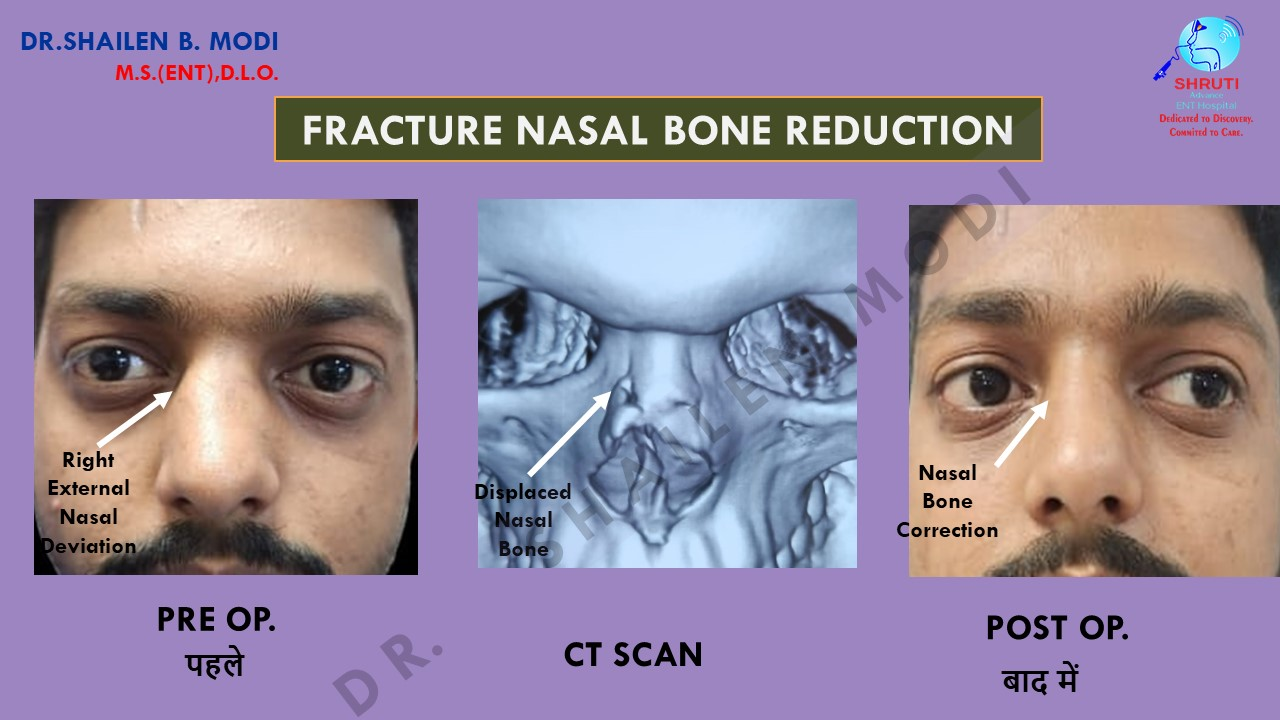
Nasal Bone Fracture: A common facial injury usually caused by trauma, accidents, sports injuries, or falls. It may result in nasal deformity, swelling, pain, bleeding, or difficulty in breathing.
Our Approach: We perform closed or open reduction of the fractured nasal bones to restore normal shape and function. The procedure is done under appropriate anesthesia with careful realignment of bones to achieve optimal cosmetic and functional results.
Outcome: Restoration of normal nasal appearance and breathing with minimal discomfort. Early intervention ensures better alignment, reduced complications, and faster healing.
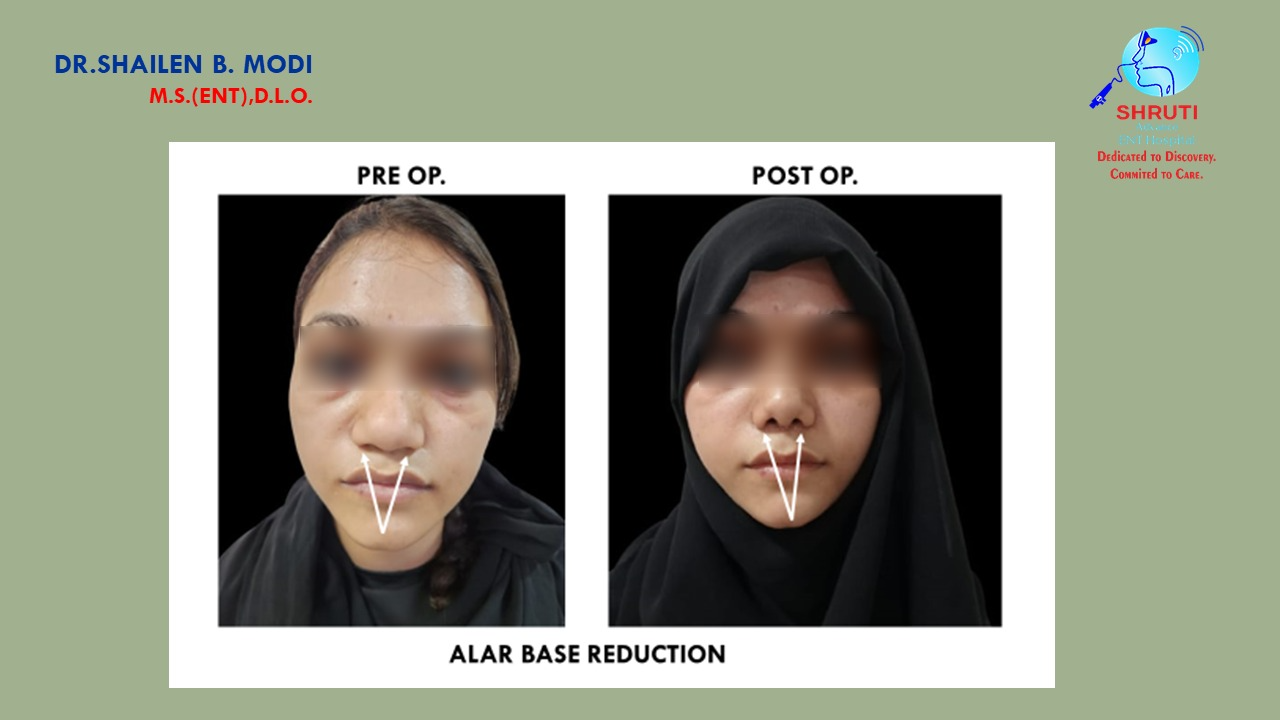
Septorhinoplasty: A combined surgical procedure that corrects both the internal nasal septum (deviated septum) and the external shape of the nose. It improves breathing function while enhancing facial appearance.
Our Approach: We use advanced techniques to straighten the nasal septum and reshape the nose with precision. The procedure is carefully planned to maintain facial harmony while ensuring optimal airflow and structural support.
Outcome: Improved breathing, enhanced nasal aesthetics, and long-lasting results. Patients benefit from better airflow, balanced facial proportions, and a natural-looking outcome with minimal visible scarring.